Thursday, May 16, 2013

Top Causes of Boating Accidents

National Safe Boating Week is coming right up - it's May 18-24. And in honor of that week, we're dedicating this blog post to all things boating safety. Now, you've probably heard lots of talk of why life jackets are so important to wear - for adults and kids. We have hard data to prove that. But something we talk about a little less frequently are the causes of boating incidents. These are important to understand, for if we don't realize what the top contributors to boating accidents are, how can we avoid them?

So check out these numbers:
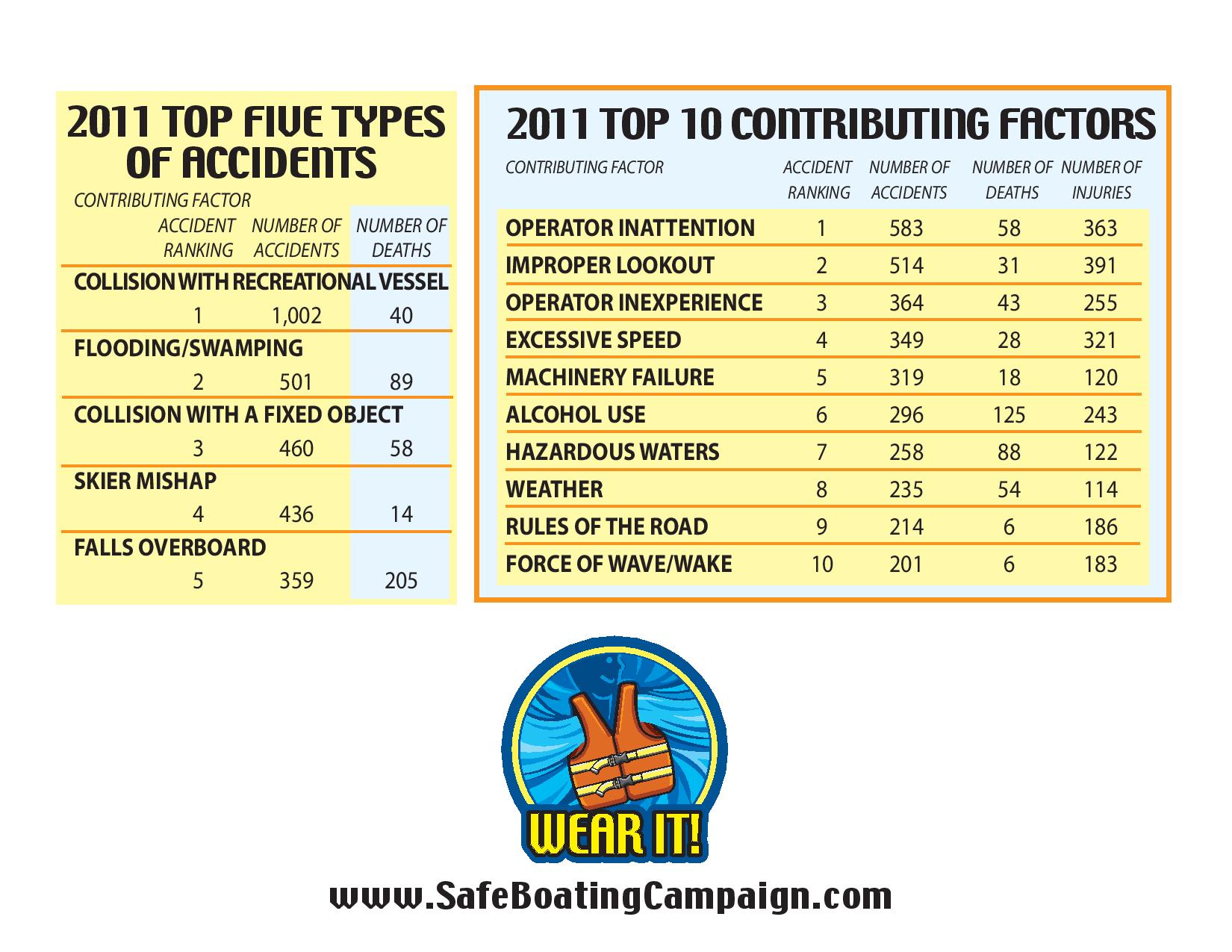
First, let's take a look at the chart to the left of types of boating accidents. It probably doesn't come as a surprise to anyone that collisions between recreational boats is the number one type of accident. This could be boat to boat, boat to jet ski, jet ski to jet ski, etc. Two moving objects are much more likely to collide than one moving and one stationary object. Collision with a fixed object is down at number 3.

But to us, the most interesting information is in the other chart - the one that notes the top 10 causes of boating accidents. The simple "operator inattention" is number 1. Boat captains (we use that term loosely to mean anyone at the helm of the boat) not paying attention caused 583 accidents and 58 deaths in 2011. Seems like a pretty easy thing to overcome, huh? Note that "operator inattention," while it caused the largest number of accidents, did not cause the largest number of deaths. That accolade goes to "alcohol use" - and by a lot. 125 people died in 2011 in boating accidents stemming from alcohol use.

These two boating accident factors have an easy solution: treat boating like driving. We think boating is often approached with a very different mindset than driving - it's a unique experience for some, there are less restrictions as far as speed and places to boat in some cases, and there are not police everywhere! But boating should be treated the same as driving. Both involve navigating a large, heavy, fast object through populated areas. Obviously, alcohol, inattention and inexperience lead to accidents in both situations.

This summer, be smart and make sure the person who takes the helm is not incapacitated and is fully aware of their surroundings. Set yourself up for the safest summer yet!

Wednesday, April 17, 2013

Match Made in Heaven: You and the Perfect Lifejacket

You might not like to wear them, but life jackets (also known as life vests or PFDs) are an essential part of staying safe on the water. Sure, you might be an excellent swimmer, but things happen! We don't want to go there. So instead, here's  how to find the best life jacket for you:

Requirements
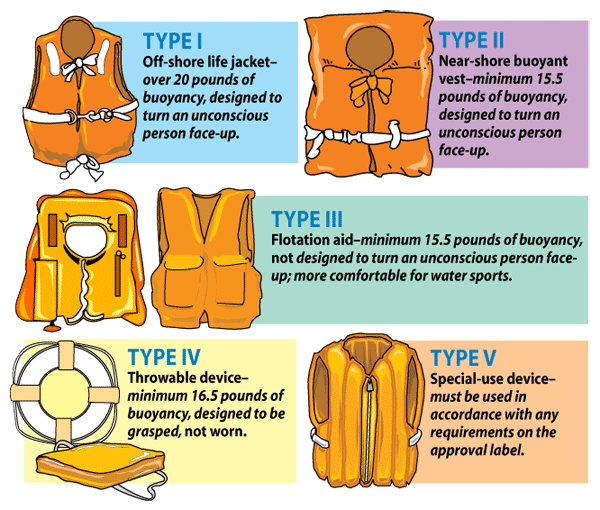
All recreational vessels must have at least one Type I, II, III, or V personal flotation device (life jacket) that is U.S. Coast Guard-approved, the proper size for each person on board, in good condition and readily accessible. Additionally, vessels 16 feet in length or longer must have one Type IV (throwable) USCG-approved personal flotation device on board (and it needs to be easily accessible). Any person 12 years old and younger must wear a PFD in Arizona.

Choosing
We like this graphic from the Pennsylvania Fish & Boat Commission that explains the different types of PFDs:


For adults, chest size will determine what size PFD is necessary. For children, this is determined by weight. Once you've selected the right size, follow these steps:
  • Loosen all the straps, put PFD on and zip up.
  • Starting at the waist, tighten all the straps. The PFD should feel snug but not uncomfortable.
  • Have someone pull up on the shoulders. If it moves up past your nose, tighten the straps. If you can't and/or it still moves, you need a smaller size.
  • If possible, test your PFD in a pool or shallow water. It should not ride up or slip over your chin while floating.

To fit a child, follow basically the same steps. Pick them up by the shoulders of the life jacket, and make sure the vest is snug overall.

We recommend: Once you've adjusted your life jacket to the perfect fit, leave it that way! Keep extra jackets on board for your guests. That way, your favorite jacket is always the right size.

Do not alter a PFD to make it fit - choose one that works for you. There are many different styles, and many companies make separate men's and women's fits. Further, automatic inflatable vests have become increasingly popular, which allow you to wear a slimmer, more minimal vest that automatically inflates if you hit the water. Choose whatever vest you will be the most comfortable in.

Caring
Like with many things, if you treat your PFD with care, it will have a long life. Don't use it as a cushion or boat bumper, which can decrease its buoyancy. Don't leave your PFD laying in the hot sun for extended periods of time - this will cause the fabric and inner components to wear and crack. Upon your return from a salt water adventure, give your vest a rinse with fresh water before allowing it to drip dry (not in the direct sun!). Store in a cool, dry place with good ventilation to prevent moisture from building or sitting.

What suggestions do you have for anyone looking to purchase or care for a PFD? Any tips or tricks you've learned over the years?

Tuesday, March 19, 2013

The Best Boating Snacks


When you're out having a good time on the boat, you work up a good appetite. So we thought we'd share some of our favorite snacks, the ones we most like to enjoy while out on the water.

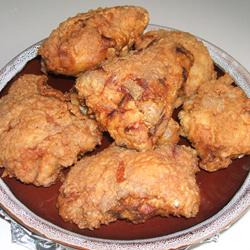
Classic Fried Chicken
Ingredients
Marinade:
3 cups buttermilk
2 teaspoons sugar
2 teaspoons kosher salt
Few dashes hot sauce (recommended: Tabasco)
1 whole chicken (about 4 pounds), cut into 8 or 10 pieces

Batter:
1 cup all-purpose flour
1 cup cornstarch
2 teaspoons baking powder
2 teaspoons kosher salt
1 teaspoon freshly ground black pepper
1 teaspoon smoked sweet paprika
1/4 teaspoon chile de arbol powder
1 3/4 cup cold water
10 cups canola oil
Fine sea salt

Directions
For the marinade: In a large bowl, mix the buttermilk, sugar, salt, and hot sauce until combined. Add the chicken and toss to coat. Cover and refrigerate for at least 4 hours and up to 24 hours, turning occasionally.

Remove the chicken from the buttermilk marinade and pat completely dry. Place the chicken on a wire rack set over a rimmed baking sheet and let sit at room temperature for 30 minutes before frying.

For the batter: In a large bowl, whisk together the flour, cornstarch, baking powder, salt, pepper, paprika, and chile de arbol until combined. Slowly whisk in the water and whisk until smooth. Let the batter sit at room temperature for 15 minutes.

Heat the oil to 350 degrees F in a large Dutch oven. Transfer half the chicken into the batter. Remove the chicken, 1 piece at a time, from the batter (allowing any excess to drip back into the bowl) and carefully transfer to the oil. Fry the chicken, adjusting the burner as necessary to maintain the oil temperature between 300 and 325 degrees F, until deep golden brown and just cooked through, about 12 minutes. Drain the chicken on paper towels and then transfer to a wire rack set over a rimmed baking sheet and season with a little fine sea salt. Bring the oil back to 350 degrees F and repeat with the remaining chicken.

Cheese and Crackers
This one is the easiest - bring a box of crackers, a package of pepperoni for some protein, and a block of cheese. Add a cheese slicer to the mix, and you're all set!

Chocolate Chip Cookies
INGREDIENTS
1 cup butter, softened
1 cup white sugar
1 cup packed brown sugar
2 eggs
2 teaspoons vanilla extract
3 cups all-purpose flour
1 teaspoon baking soda
2 teaspoons hot water
1/2 teaspoon salt
2 cups semisweet chocolate chips
1 cup chopped walnuts

DIRECTIONS
1.Preheat oven to 350 degrees F (175 degrees C).

2.Cream together the butter, white sugar, and brown sugar until smooth. Beat in the eggs one at a time, then stir in the vanilla. Dissolve baking soda in hot water. Add to batter along with salt. Stir in flour, chocolate chips, and nuts. Drop by large spoonfuls onto ungreased pans.

3.Bake for about 10 minutes in the preheated oven, or until edges are nicely browned.

Monday, February 25, 2013

The Wakeboarding Lingo

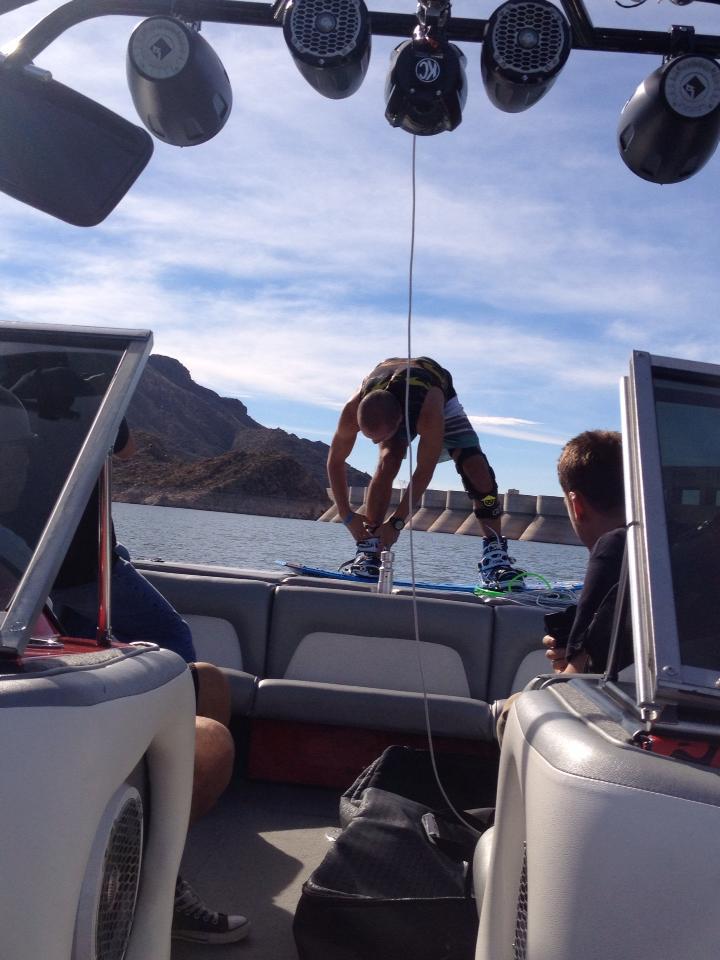
Are you a wakeboarder? Maybe you're at the "wakeboard wannabe" stage. Well, no matter your level of wakeboard expertise, you'll need to know a few key terms if you're going to understand your fellow wake athletes. So if you’re looking to learn more about the world of wakeboarding, we recommend you brush up on these terms first.

Bone it out: to straighten a limb
Butt check: to hit the water with your behind while completing a trick, recovering and continuing
Case the wake: landing directly on top of the wake
Eye-opener: falling so fast you don’t have time to close your eyes
Landing blind: landing with your back to the boat and the rope handle behind you
Load the line: build tension on the wakeboard rope to increase your “pop” when you jump
Stomp the landing: landing a trick cleanly
Wake to wake: jumping off the first wake, then landing on the downside of the other

Are there other wakeboarding terms you use or have heard used frequently? Which are your favorites?

Monday, January 14, 2013

Understanding Your Pontoon Rental


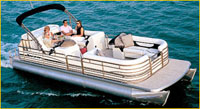
Have you ever rented one of our pontoon boats for a day out on Bartlett Lake? If not, perhaps you are unsure how to handle a pontoon on the water. Well, rest easy: the reason pontoon rentals are so popular is that they are an easy boat to handle on the water. But here are some of the tips we've learned and share with our renters on how to manage pontoon boats:

Obey all signs. This is a generic boating tip, but do be sure to follow any posted signs and channel markers (on any body of water). Respect signs that ask for slow speeds, which are generally found near coastlines, marinas and docks.

No need for speed. Maintain a low speed when reversing or approaching a dock/marina. There's no need to rush! This will give you plenty of time to react to anthing, if necessary, and will give you the ability to adjust as well.

Practice making turns. Once you're in open water, practice making 180 degree turns. You'll notice a slower response time than conventional watercraft (if you've been on one) due to a pontoon's wideness. Your turning radius will likely be wider than you expect. Ease into turns, and then apply more turn of the wheel as necessary.

Remember: slow response. Because of its build, a pontoon will have a slow response time. Keep this in mind and avoid overcorrecting or trying to rush things.

Want more? Watch this video from Destin Vacation Boat Rentals in Florida to see all of this in action!

Remember, when you rent a boat from us, we provide you with instructions, answer your questions and equip you with all of the safety items you might need, including life jackets, throw cushions, a fire extinguisher, oars and anchors. Interested in checking out our fleet? Stop by or give us a call! And when you get in your rental pontoon here at Bartlett Lake, don't hesitate to ask us any questions you may have. We want you to have a great, relaxing experience, not a stressful one!